

A $40 HIV Shot Behind a U.S. Patent Wall: What the Generic Lenacapavir Approval Teaches About IP Licensing
The FDA has tentatively approved a generic version of the twice-a-year HIV prevention shot for 120 lower-income countries at about $40 a year, while the patented U.S. brand lists at $28,218. Here is what the deal structure means for health care and life sciences leaders.
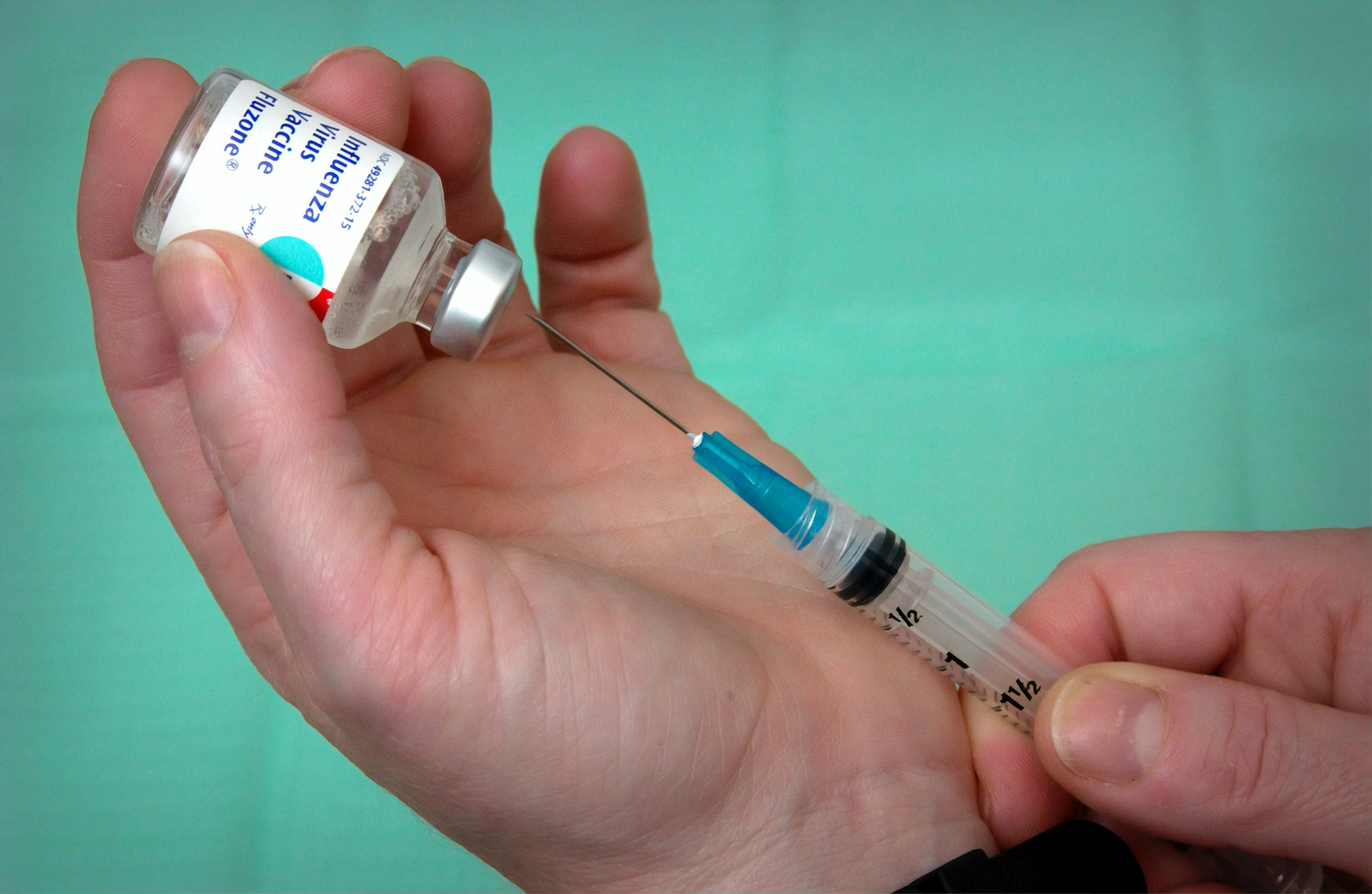
On Monday, November 2, the U.S. Food and Drug Administration approved a generic version of lenacapavir, the world’s only twice-a-year HIV prevention shot. The generic is expected to cost about $40 per person per year in 120 low- and middle-income countries. In the United States, the same medicine is sold only as Gilead Sciences’ brand Yeztugo, with a list price of $28,218 a year before insurance, and the generic cannot be sold here because the brand is still under patent.
That gap of several hundred times between two prices for the same molecule is not an accident or a loophole. It is the product of deliberate intellectual property decisions, a specific regulatory pathway and a carefully brokered manufacturing agreement. For executives who manage patents, licensing and market access, the lenacapavir story is a live case study in how IP can be segmented by geography without giving it up.
What happened
According to The Associated Press, the approval was announced by the manufacturer and the organizations that helped speed development. The generic was developed by India-based Dr. Reddy’s Laboratories under an agreement brokered by Unitaid, the Clinton Health Access Initiative and Wits RHI, an African health research institute. Generic supply should begin in some places within weeks, AP reported, although countries that require their own drug approvals may take longer. Generics from other manufacturers have not yet received FDA approval.
The clinical case is strong. In two studies of people at high risk, the shots nearly eliminated new infections, AP reported. The World Health Organization counts 41 million people living with HIV and 570,000 deaths from HIV-related causes last year. Carolyn Amole of the Clinton Health Access Initiative told AP that about 20 million people worldwide need pre-exposure prophylaxis, or PrEP, and called the approval “a great milestone” while stressing that funding is still needed to buy the drug for everyone who needs it.
The IP mechanics: tentative approval and voluntary licenses
Two mechanisms make this arrangement work, and both are worth understanding.
Tentative approval. The FDA’s action is technically a “tentative” approval, the agency’s standard designation for a generic while the originator’s patent remains in force. It came under a longstanding FDA practice that ensures the quality of HIV drugs the U.S. government provides to other countries. In practical terms, the agency has judged the product acceptable, but U.S. patent protection still keeps it off the domestic market. For manufacturers, a tentative approval is a credential that can be used to support registration and purchasing elsewhere.
Royalty-free voluntary licenses. Gilead had been the sole supplier. It has signed royalty-free voluntary licenses with six generic manufacturers covering a specific set of countries in sub-Saharan Africa, Asia and Latin America, AP reported. The originator keeps its patents and its high-income markets; licensees gain the right to make and sell in defined territories; and the price in those territories falls to a level public health programs can afford. A Gilead spokesperson told AP the company shares the urgency around expanding access and believes it has enabled the fastest and most sustainable path to access.
It is worth noting what the arrangement does not do. It does not shorten the U.S. patent term, it does not open high-income markets to generic competition, and it does not by itself fund purchases. It is a targeted solution to a specific problem: getting a breakthrough product to the places where the disease burden is highest and budgets are lowest.
Why the structure matters to executives
The lenacapavir arrangement illustrates several principles that apply well beyond HIV:
- Territory is an IP lever. A license does not have to be all or nothing. Defining the territories where a licensee may operate lets a rights holder pursue access goals in one set of markets while protecting pricing in another.
- Royalty-free can still be strategic. Giving up royalties in low-income markets may cost little in revenue terms while reducing pressure for compulsory licensing, strengthening relationships with governments and global health funders, and supporting a company’s reputation.
- Third-party brokers reduce friction. Unitaid, CHAI and Wits RHI helped connect a generic manufacturer to the opportunity and speed development. Intermediaries that understand both regulators and buyers can shorten timelines that would otherwise stretch for years.
- Regulatory credentials travel. An FDA tentative approval can help support regulatory and procurement decisions in other countries, even when the product cannot be sold in the U.S.
- Price parity is a design choice. The $40 figure matches the price of daily preventive pills already on the market in those countries, AP reported. Setting a long-acting product at parity with the existing standard of care removes price as an objection for buyers.
The tension that will not go away
The same facts that make this a model for access also sharpen a familiar debate in the U.S. market. When the identical molecule costs about $40 a year in one set of countries and lists at more than $28,000 in another, payers, employers and patient groups will ask questions about domestic pricing. Gilead says its U.S. price is similar to some other PrEP options.
For health systems and plan sponsors, the practical issue is less philosophical: long-acting prevention products can change adherence economics. Carmen Pérez Casas, HIV lead at Unitaid, made the point to AP that daily pills only protect people who take them, which is the problem a twice-a-year shot is designed to solve. Organizations evaluating coverage will weigh a high list price against the cost of missed doses and new infections.
There are clinical-operations considerations as well. People must be tested for HIV before starting the shot and with each injection, AP reported, and drug-resistant HIV has been identified in people with undiagnosed infection. Common side effects include injection-site reactions, headache and nausea. Saiqa Mullick of Wits RHI noted that in many low- and middle-income countries the required testing is a rapid test, which affects how quickly programs can scale.
Practical guidance for IP and licensing leaders
- Map your portfolio by geography. Know where each patent is in force, when it expires and where demand is concentrated. Territory-specific licensing is only possible when that map exists.
- Plan access strategy before launch, not after. Building licensing and partner frameworks early can blunt political pressure and speed adoption in markets you may not serve directly.
- Define field-of-use and territory terms precisely. Ambiguity about where a licensee may sell invites disputes and gray-market leakage.
- Use partners who know procurement. Organizations that understand how governments and global funders buy can turn a license into actual supply.
- Coordinate communications. Access deals are scrutinized by investors, regulators and advocates at the same time. A clear, consistent explanation of pricing across markets matters.
- Get specialized counsel. Licensing, export, competition and regulatory rules vary by jurisdiction. Engage qualified IP and regulatory attorneys before structuring any comparable arrangement.
What to watch
- Additional FDA approvals. Generics from other manufacturers have not yet received FDA approval, AP reported. More approvals would expand supply and introduce competition among suppliers within the licensed territories, which could matter for price and reliability over time.
- Rollout speed. Whether supply actually begins within weeks in some places, as AP reported is expected,, and how fast national regulators act, will test the model.
- Funding. As CHAI’s Amole noted, an affordable price does not buy the drug by itself. Donor and government budgets will determine how many people are reached.
- U.S. pricing pressure. Expect the international price to appear in domestic arguments about drug costs and PrEP coverage.
- Copycat structures. Other originators with high-impact products may adopt similar territory-limited, royalty-free licensing to manage access expectations.
The bottom line
The generic lenacapavir approval shows that patents and access are not always opposites. With a defined territory, a royalty-free license, a tentative approval and the right intermediaries, a breakthrough medicine can reach low-income markets at a price comparable to older treatments while the originator keeps its patent position at home. For any company holding valuable IP, the lesson is that how you license can matter as much as what you own.
Paxton-Digital publishes general business and technology information for executives. This article is not legal, medical or investment advice; consult qualified professionals before acting on any of the issues discussed.
Source: The Associated Press
Quick check
How much did you catch? Tap a question to see the answer.
1. How much is the generic lenacapavir shot expected to cost in eligible countries?
Answer: About $40 per person per year, in 120 low- and middle-income countries.
2. Why can’t the generic be sold in the United States?
Answer: The brand-name version, Gilead’s Yeztugo, is still under patent; the FDA’s approval is tentative.
3. How many generic manufacturers has Gilead given royalty-free voluntary licenses?
Answer: Six, covering specific countries in sub-Saharan Africa, Asia and Latin America.