

Vantive Sells Most of Its Hemodialysis Business to Rockwell Medical: A Carve-Out Playbook for Health Care Leaders
Vantive agreed to divest most of its hemodialysis business, including an Italian plant, to Rockwell Medical while keeping its Theranova dialyzers. Here is what the carve-out shows about portfolio focus and continuity of care.
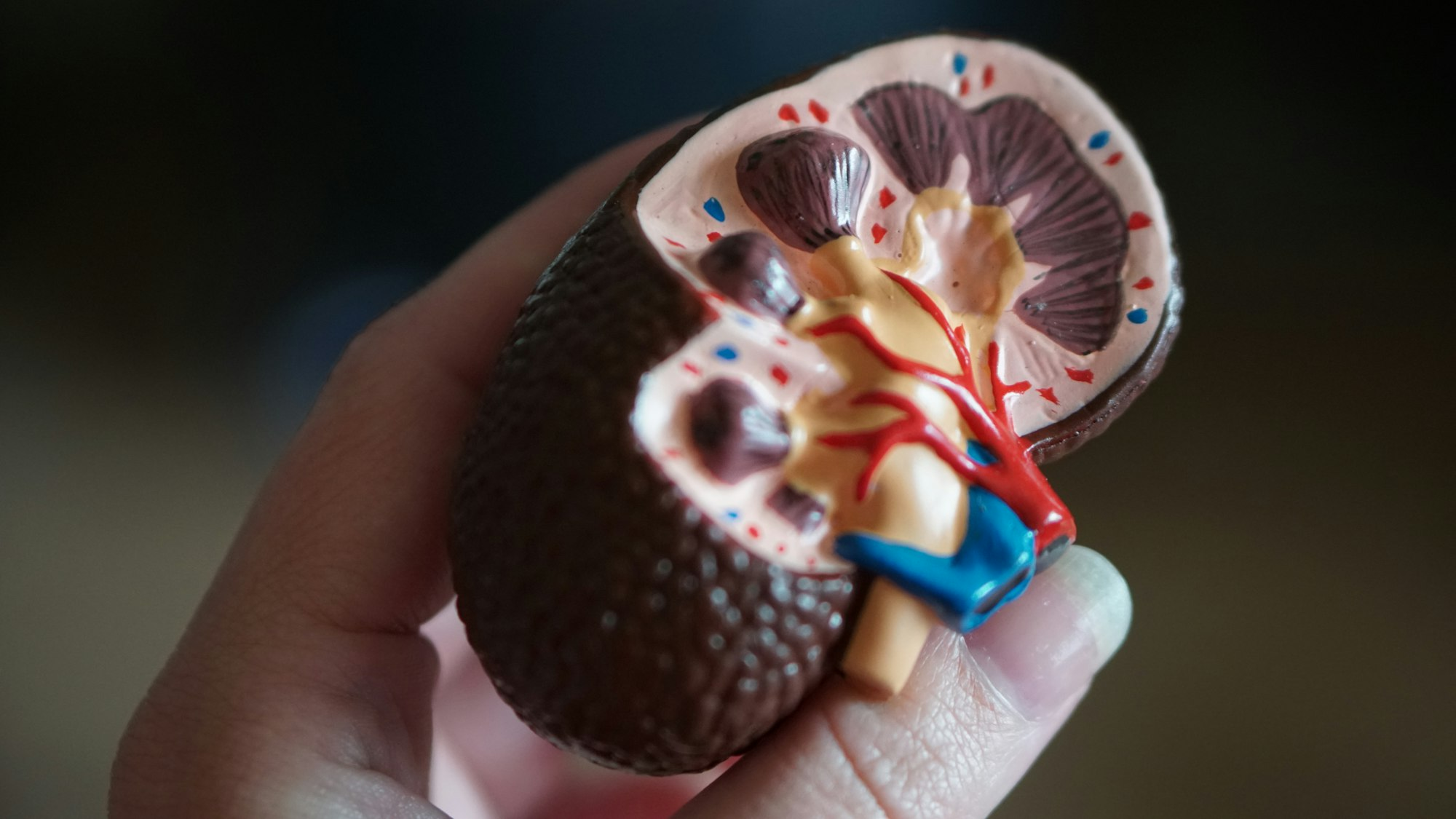
Vantive is narrowing its focus. The kidney care company announced on November 3 that it signed a definitive agreement to sell most of its hemodialysis business to Rockwell Medical, a Nasdaq-listed company that makes and distributes hemodialysis products. Rockwell will take over hemodialysis concentrates, monitors, water treatment systems and related consumables and technical services, along with Vantive’s manufacturing plant in Medolla, Italy. Vantive keeps its dialyzer portfolio, including the Theranova dialyzer, and will concentrate on home dialysis, critical care and what it calls vital organ therapies. The deal is expected to close in mid-2027, pending regulatory approvals and customary conditions. No price was disclosed.
For health care leaders, this is a textbook carve-out: one company sharpening its portfolio by selling a mature business to a buyer that wants to build its entire identity around it. It also raises the questions that matter most in any medical device divestiture, starting with how to keep patients and providers supplied while ownership changes hands.
What is changing hands
According to the announcement, Rockwell is acquiring the majority of the assets and associated operations of Vantive’s hemodialysis business. That includes:
- Hemodialysis concentrates
- Hemodialysis monitors
- Water treatment systems
- Related consumables and technical services
- Ownership of the Medolla, Italy, manufacturing facility, which Rockwell says will support capacity and global hemodialysis development
What stays with Vantive is just as telling. The company is keeping its dialyzer portfolio, including Theranova, which enables a therapy Vantive calls HDx, or expanded hemodialysis. In other words, Vantive is selling the equipment, supplies and service infrastructure around in-center hemodialysis while retaining a differentiated filter technology it sees as part of its future.
Advisers on the deal included Perella Weinberg Partners and Barclays as financial advisers and Kirkland & Ellis as legal counsel for Vantive, and Aquilo Partners as exclusive financial adviser and Gibson Dunn & Crutcher as legal counsel for Rockwell.
Two strategies, one transaction
Vantive describes itself as a vital organ therapy company with a 70-year history in kidney care. It says it pioneered broad availability of home dialysis and continuous renal replacement therapy for acute kidney injury in the intensive care unit, and that it is extending its platform into ICU organ failure. Chief executive Chris Toth said the deal brings the company’s ambitions into sharper focus, and that Vantive will work through the transition to ensure continuity of care.
Rockwell’s logic runs the other way. Its president and chief executive, Mark Strobeck, said the company is singularly focused on hemodialysis and expects significant growth opportunities. For a specialist, buying an established product line, a service organization and a European manufacturing plant can add scale far faster than building it.
That pairing, a diversified seller trimming a mature line and a focused buyer doubling down, is one of the most reliable patterns in health care M&A. When it works, both companies end up with clearer stories for investors and customers.
Why it matters for the Paxton-Digital audience
Carve-outs are often harder than whole-company acquisitions. A business that has lived inside a larger organization usually shares systems, people, contracts and supply chains with its parent. Separating it cleanly is a major operational project, and in medical technology the stakes include patient safety. Dialysis patients depend on regular treatment, and clinics depend on a steady supply of concentrates, consumables and service for their machines.
The long runway here, with closing expected in mid-2027, reflects that complexity. It gives both sides time to secure regulatory approvals, plan the transfer of manufacturing and service, and line up the commercial and quality systems that customers will rely on.
A carve-out checklist for health care leaders
Whether you are selling a product line, buying one, or are a provider whose supplier is changing, these are the questions to work through.
For sellers
- Define the perimeter precisely. Vantive’s decision to keep its dialyzers shows how much value can sit at the boundary. Be explicit about which products, patents, people and contracts move and which stay.
- Plan transition services. Shared IT, regulatory filings, distribution and customer support often need temporary arrangements after closing. Price and scope them carefully.
- Protect the retained business. If customers buy both divested and retained products, plan how sales teams will handle the overlap.
For buyers
- Diligence the plant, not just the products. A manufacturing site brings capacity, but also quality systems, regulatory inspection history and workforce considerations.
- Secure service capability. For installed equipment such as dialysis monitors and water systems, technical service is central to customer retention.
- Budget for stand-up costs. Replacing a former parent’s infrastructure takes money and time. Build those costs into the valuation.
For providers and health systems
- Review supply and service agreements. Look at assignment clauses, pricing terms and service-level commitments that may move to a new vendor.
- Ask for a continuity plan in writing. Request details on ordering, delivery, service contacts and support timelines through and after closing.
- Check clinical workflows. If you use products from both companies after the split, confirm how compatibility, training and support will be handled.
These are general considerations. Organizations should rely on their own legal, regulatory and clinical advisers when evaluating a specific transaction.
The bigger picture in kidney care
Vantive’s announcement points toward where it believes growth will come from: dialysis that is easier to start, manage and sustain at home, critical care in the ICU, and digital tools. The company says its people and services generate more than 1 million touchpoints a day. Shifting care to the home is one of the most significant trends in chronic disease management, and companies are positioning their portfolios accordingly. Selling in-center equipment and supplies to a specialist allows Vantive to put more capital and attention behind that shift.
For Rockwell, the bet is that in-center hemodialysis remains a large and durable market that rewards focus, scale and service. Both views can be right at the same time, which is why this kind of transaction makes sense to both parties.
How to tell whether a carve-out is working
Announcements are easy; separations are hard. Executives on either side of a deal like this one can track a few practical signals in the months after signing. The first is people. Carve-outs depend on engineers, quality specialists, field service technicians and customer-facing staff who know the products. Early clarity about who moves, who stays and how they will be paid tends to protect retention. The second is regulatory continuity. Medical products carry registrations, quality certifications and inspection histories that must transfer or be re-established, and gaps can delay shipments. The third is customer sentiment. Clinics and distributors usually signal concerns quickly, through questions about pricing, service response times or order processing, and those questions are an early warning system for problems in the transition plan.
A final signal is the seller’s own momentum. The point of a focused portfolio is to redeploy money and attention. If the retained business starts receiving visible new investment, the separation is doing its job.
What to watch next
- Regulatory approvals. The deal requires regulatory sign-off before its expected mid-2027 close.
- Financing and terms. No price was disclosed. Any later filings could show how Rockwell is paying for a business of this size.
- Customer communication. How clearly the companies explain the transition to clinics and health systems will shape early confidence in the deal.
- Vantive’s next moves. With hemodialysis assets heading out, watch for investment or acquisitions in home dialysis, critical care and digital solutions.
The bottom line
Vantive’s sale of its hemodialysis business to Rockwell Medical is a clean example of portfolio focus on both sides of the table. One company is clearing room for home and critical care; the other is betting everything on in-center dialysis. For executives, the lesson is that the boundary of a carve-out, and the plan for keeping patients supplied through it, often matter as much as the price.
Source: Vantive announcement via PR Newswire on Yahoo Finance
Quick check
How much did you catch? Tap a question to see the answer.
1. Which product line is Vantive keeping rather than selling?
Answer: Its dialyzer portfolio, including the Theranova dialyzer that enables HDx (expanded hemodialysis) therapy.
2. What manufacturing facility transfers to Rockwell at closing?
Answer: Vantive’s plant in Medolla, Italy.
3. When is the deal expected to close?
Answer: In mid-2027, subject to regulatory approvals and customary closing conditions.