

Oura’s $625 Million Counsel Health Deal: Why a Smart-Ring Maker Is Buying a Care Platform
Oura agreed to buy AI-native primary care startup Counsel Health for $625 million. Here is what the deal says about wearables, AI and clinical care.
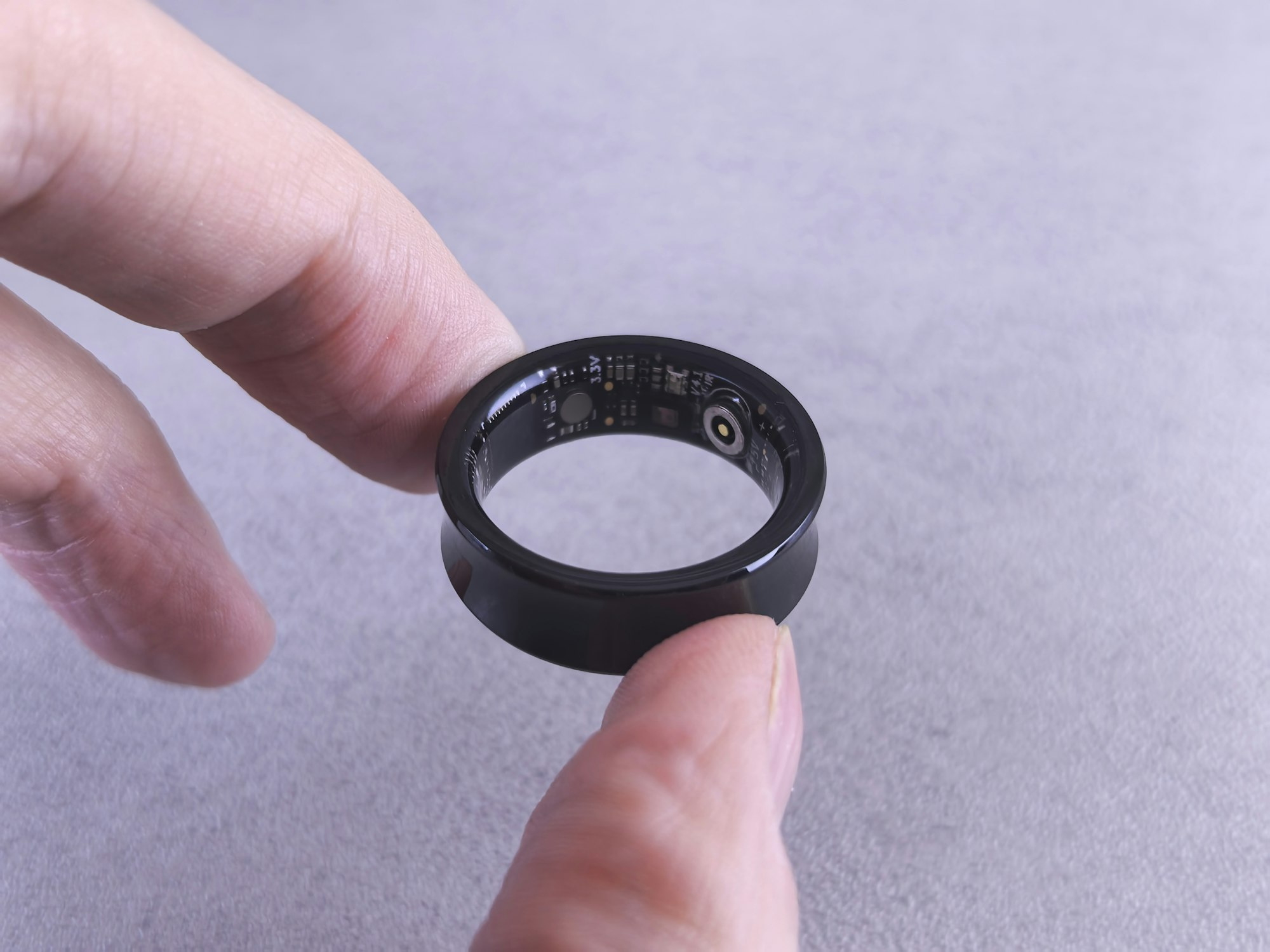
Oura, the company best known for a ring that tracks sleep, heart rate and temperature, announced on Tuesday that it will acquire Counsel Health for $625 million. Counsel runs an AI-powered care platform that pairs a medical chatbot with licensed physicians. The deal moves Oura from telling members what their bodies are doing toward helping them act on it: prescriptions, lab results, chronic care and referrals.
For healthcare executives, the transaction is a clear marker. A consumer hardware company with a large, engaged user base has decided that the next step is owning a piece of clinical care itself, rather than renting it through partnerships. That choice raises questions about valuation, regulation, clinician oversight and how fast digital health consolidation will move in 2027.
What was announced
According to TechCrunch, Oura will pay $625 million for Counsel Health, and the transaction is expected to close before the end of 2027. The reports reviewed by Paxton-Digital did not say whether the price will be paid in cash, stock or a mix, and they did not describe any regulatory conditions. Counsel’s chief executive, Muthu Alagappan, is set to join Oura as chief clinical AI officer. Bloomberg reported that about 70 Counsel employees will join Oura; that figure comes from Bloomberg’s reporting and was not independently confirmed in the coverage we read.
The two companies already work together. Counsel’s service was integrated into the Oura app in June, letting members ask a medical AI for personalized guidance and move to a conversation with a physician when needed. After the acquisition, Counsel is expected to keep serving its enterprise partners and add new ones, with the goal of reaching people beyond Oura’s membership.
Who Counsel Health is
STAT described Counsel as a clinical AI startup whose chatbot lets users discuss health concerns before handing them to a clinician for diagnosis and treatment by telehealth. Counsel raised a $25 million Series A about a year ago, led by Andreessen Horowitz and GV, and PitchBook estimates its total funding at $36 million. STAT also put Counsel’s previously disclosed funding at $36 million.
Those numbers frame the price. A $625 million acquisition of a company that raised roughly $36 million is a large multiple of invested capital. Buyers pay that kind of premium when they believe they are purchasing something hard to rebuild: a working clinical operation, licensed physicians, compliance processes and an AI system that clinicians already trust in day-to-day use.
Why Oura wants to own care
Oura’s own numbers explain why it can make the move. TechCrunch reported that Oura reached an $11 billion valuation after a $900 million late-stage round in October 2025. Revenue for the quarter that ended September 30 was $533 million, up 153% from a year earlier, and fiscal 2026 revenue was about $1.75 billion, up 92%.
The company also postponed a planned initial public offering of up to $2.2 billion indefinitely, citing uncertainty in the IPO market. That detail matters. When the public-market door is closed, well-funded private companies often use their balance sheets to buy capabilities instead. An acquisition like this one can strengthen the story a company eventually tells public investors: not just a device, but a membership that connects measurement to care.
Competition is another driver. TechCrunch noted that rival ring makers RingConn and Ultrahuman are pressing Oura to keep innovating. Hardware features are easy to match. A physician network wired into the product, with clinical AI built around keeping doctors in the loop, is much harder to copy.
The deal pattern behind the headline
STAT framed the transaction as part of a growing interest in connecting consumer wearables to clinical care, and a belief that AI chatbots will play a significant role in medicine. Three patterns stand out for deal teams:
- Partnership first, acquisition second. Oura integrated Counsel in June and announced the purchase in November. A working integration lowers execution risk and gives the buyer real usage data before it commits.
- Talent is part of the price. Naming Counsel’s CEO as chief clinical AI officer signals that the buyer is paying for clinical leadership and know-how, not just software.
- Long closing windows. A target close before the end of 2027 leaves room for integration planning, licensing reviews and any approvals tied to clinical operations across states.
Paxton-Digital’s Take
Paxton-Digital sees this deal as a template for 2027. Consumer health companies with large audiences and strong revenue growth are deciding that partnerships alone leave too much value on the table. Owning a clinical layer lets them capture more of each member relationship and defend against cheaper hardware rivals.
The risks are real. Clinical services bring licensing, malpractice exposure, privacy obligations and the constant work of keeping physicians in charge of medical decisions. Counsel’s stated design, AI that keeps physicians in the loop, will be tested as volume grows. Integration also tends to be harder than the press release suggests, especially when a hardware culture absorbs a clinical one.
For sellers, the lesson is just as clear. Counsel’s path, a focused product, a strategic partnership and then an acquisition at a strong multiple, is a playbook other digital health founders will study. Buyers are rewarding companies that can prove clinical quality inside someone else’s product before the deal is signed.
Questions boards should ask before a similar deal
For organizations weighing their own move into care delivery, the Oura announcement offers a useful checklist:
- Who holds clinical responsibility? Map exactly where AI suggests and where a licensed clinician decides, and document it.
- Which states and licenses are involved? Telehealth crosses state lines quickly; licensure and prescribing rules differ.
- What happens to existing partners? A target’s enterprise customers may welcome a well-funded owner or worry about a competitor’s control.
- How will data be governed? Combining device data with clinical records raises the bar for privacy, consent and security.
What it means for you
- Healthcare executives: expect more consumer brands to buy care capabilities. Review where your organization could be a partner, a target or a competitor.
- Digital health founders: a deep integration with a large platform can turn into a buyer relationship. Track usage, outcomes and clinician satisfaction from day one.
- Investors: watch for more private companies using strong balance sheets to buy growth while IPO windows stay uncertain.
- Compliance teams: AI-plus-physician models raise questions about supervision, documentation and state licensing that should be planned before integration, not after.
What to watch next
The open questions are practical. Will Oura disclose the deal structure? How will Counsel’s enterprise customers react to a new owner? Will regulators or state medical boards look closely at AI-assisted care delivered through a consumer device company? And will rival wearable makers answer with acquisitions of their own? Paxton-Digital will follow the deal through closing.
This article is general information for business readers, not legal, medical or investment advice. Consult licensed professionals for decisions about your organization.
Sources: TechCrunch; STAT
Quick check
How much did you catch? Tap a question to see the answer.
1. How much is Oura paying for Counsel Health?
Answer: $625 million, according to the company’s announcement as reported by TechCrunch and STAT.
2. When did Counsel’s service first appear inside the Oura app?
Answer: In June, months before the acquisition was announced.
3. What role will Counsel’s CEO take at Oura?
Answer: Chief clinical AI officer.